
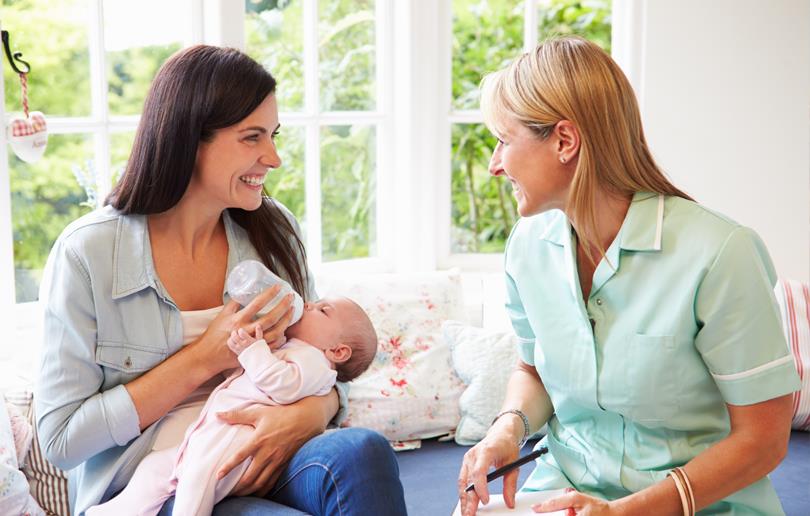
Whether you experienced a quick and easy vaginal delivery or pushed for several hours, postpartum recovery after vaginal birth requires patience, care, and proper support. You prepared for nine months for your baby’s arrival by gathering baby essentials, choosing a name, preparing a nursery, and planning everything in advance. You likely felt fully ready to bring your baby home. However, many mothers feel unprepared for how their body feels after childbirth.
If you gave birth vaginally, your vagina, perineum, rectum, and pelvic muscles need focused care during postpartum recovery. The body goes through intense physical changes during delivery, and proper healing becomes essential. To help you recover safely and confidently, we consulted medical experts and real mothers to bring you this complete guide to postpartum recovery after vaginal birth.
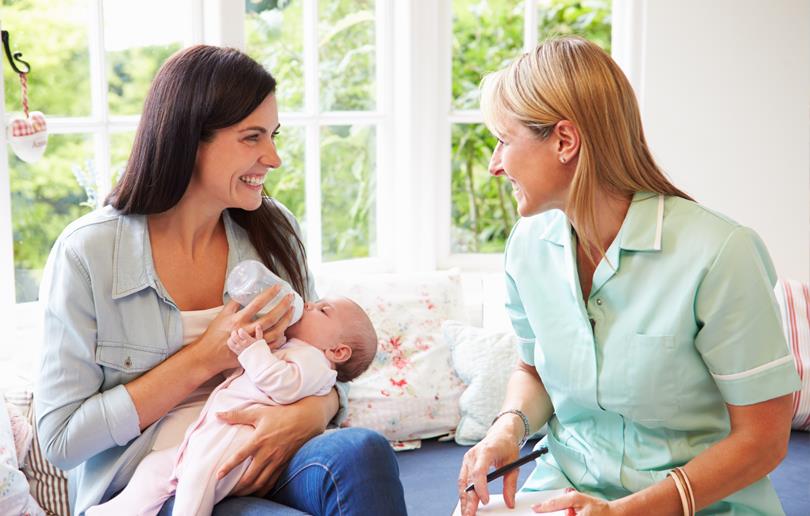
Postpartum Recovery Timeline After Vaginal Birth
Many new mothers wonder how long postpartum recovery after vaginal birth takes. According to Ithamar Turenne, RN, CBC, a postpartum nurse with Oula, the body typically heals within six to eight weeks after a vaginal delivery.
However, some physical changes from pregnancy and childbirth, such as abdominal muscle separation or postpartum hair loss, may last for several months. Weight loss may also take time depending on your body type and lifestyle. The first three months after delivery, often called the fourth trimester, involve physical recovery as well as emotional and lifestyle adjustments.
You cannot safely speed up postpartum recovery after vaginal birth. You must rest adequately and avoid sexual activity and heavy exercise until your healthcare provider clears you. Maintaining proper perineal hygiene and following a safe pain-management routine using doctor-approved medicines like Tylenol or Advil supports faster healing.
What to Expect During Postpartum Recovery After Vaginal Birth
Every woman experiences postpartum recovery differently. Your healing speed depends largely on your labor experience, pushing duration, tearing, and baby size. Pushing for several hours or experiencing vaginal tears can extend recovery time.
According to Dr. Jaime Knopman, an OB-GYN in New York City, the postpartum period often feels physically demanding. Pain, bleeding, exhaustion, and hormonal changes combine to test both body and mind. Even without tears, the vagina stretches to deliver the baby, which makes sitting, walking, and urination uncomfortable at first.
Below are the most common physical changes during postpartum recovery after vaginal birth.
Vaginal Bleeding and Discharge
You will experience vaginal discharge, known as lochia, for up to six weeks after delivery. This bleeding helps your body remove leftover blood and tissue from the uterus. The flow often appears heavy and bright red in the early days and resembles a heavy menstrual period.
Doctors recommend using super-absorbent maternity pads during this phase. Contact your doctor immediately if you soak more than one pad per hour or pass blood clots larger than a tomato.
Over time, the discharge changes color from red to pink, brown, yellow, then white. A mild odor remains normal, but a foul smell or fever may indicate infection and requires prompt medical attention.
Ovulation may return within a few weeks if you do not breastfeed or up to six months if you breastfeed. You must also discuss postpartum birth control with your doctor because ovulation occurs before your first period.
Vaginal Itching, Soreness, and Swelling
Postpartum vaginal soreness and swelling occur due to increased blood flow and tissue stretching during childbirth. Vaginal tears or episiotomies can increase swelling and discomfort. Most women feel improvement within four to six weeks, although severe tears require longer healing.
Stitches may cause mild itching and soreness during the first 7–10 days. Keeping the area clean and dry supports faster recovery.
Difficulty Using the Restroom
Many women experience constipation and urination difficulty during postpartum recovery after vaginal birth. Swelling around the bladder and urethra makes urination uncomfortable. Epidural anesthesia may slow bowel movement for a few days. Iron supplements and dehydration also contribute to constipation.
Drinking plenty of water, eating fiber-rich foods, and using doctor-recommended stool softeners helps regulate bowel movements. Inform your doctor if you do not pass stool within 2–3 days.
Urinary Incontinence After Delivery
You may experience urinary leakage while coughing, sneezing, laughing, or lifting objects. Vaginal delivery weakens pelvic floor muscles and compresses pelvic nerves during childbirth. This temporary bladder control issue usually improves within six weeks as muscles regain strength.
Postpartum Hemorrhoids
Straining during delivery can cause or worsen hemorrhoids. These swollen veins near the anus cause itching, pain, and discomfort. Most postpartum hemorrhoids improve within six weeks.
Postpartum Uterine Contractions (Afterpains)
After delivery, your uterus contracts to return to its original size. These contractions, called afterpains, feel like mild cramps and intensify during breastfeeding due to hormonal release. These pains show healthy uterine healing.
Body Care Tips for Postpartum Recovery After Vaginal Birth
Your body undergoes extensive healing after childbirth. Follow these expert-approved postpartum care tips to support faster and safer recovery.
1. Collect Hospital Recovery Supplies
Before discharge, collect hospital-grade maternity pads, mesh underwear, and a peri bottle. These supplies provide superior comfort and hygiene at home.
2. Use Ice for Swelling
Apply ice packs to the vaginal area during the first 24 hours to reduce swelling and pain.
3. Take Sitz Baths
After 24 hours, soak in warm water for 15–20 minutes, 3–4 times daily. Sitz baths reduce swelling, soothe stitches, and prevent infection.
4. Use Witch Hazel for Hemorrhoids
Apply witch hazel pads directly to hemorrhoids to reduce itching and inflammation.
5. Avoid Vaginal Irritants
Use chemical-free pads and mild cleansers only. Avoid scented products and over-washing.
6. Do Not Delay Bowel Movements
Respond to natural urges to prevent constipation. Use stool softeners if necessary.
7. Avoid Douching
Douching disturbs healthy vaginal bacteria and increases infection risk.
8. Perform Kegel Exercises
Kegels strengthen pelvic floor muscles, improve bladder control, and enhance sexual health.
9. Use Lubrication for Intercourse
Low estrogen after childbirth causes vaginal dryness. Use water-based lubricants when resuming sexual activity after medical clearance.
Mental Health Recovery After Vaginal Birth
Postpartum recovery after vaginal birth includes emotional healing. Many women experience mood swings, anxiety, exhaustion, and sadness during the first weeks. Up to 20% of mothers develop postpartum depression.
Hormonal changes, physical pain, sleep deprivation, and lifestyle adjustments affect mental health. Creating a postpartum support plan, asking for help, resting adequately, and communicating openly with your doctor all protect emotional wellbeing.
You must seek professional help immediately if sadness, fear, or hopelessness continues beyond two weeks or interferes with daily life.
Conclusion
Postpartum recovery after vaginal birth may feel overwhelming, but it improves with proper care, patience, and support. Healing takes time physically and emotionally. You are not alone in this journey. Your healthcare team, family, and mental-health professionals remain available to support you at every stage.
Disclaimer : This content is for informational purposes only. Please consult a medical professional before taking any action.