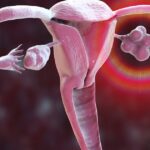
What’s PCOD?
Natural treatments for PCOD and PCOS help women manage hormonal imbalance, irregular periods, weight gain, acne, and fertility issues naturally. PCOD and PCOS are common lifestyle-related hormonal conditions that affect ovarian function, insulin levels, and menstrual cycles. With the right diet, exercise, and healthy lifestyle changes, women can effectively control PCOD and PCOS symptoms without heavy medication.Polycystic Ovarian complaint/ Polycystic Ovarian Pattern is a condition in which excrescencies are formed in the ovaries. As name suggests( ‘ polycystic’ means ‘ numerous excrescencies’), in PCOS, numerous bitsy, fluid- filled sacs grow inside ovaries. Each of these sacs are follicles actually, as each bone has an immature egg. The eggs does n’t mature enough to spark an ovulation.Natural treatments for PCOD and PCOS focus on balancing hormones and improving insulin sensitivity.

Lack of ovulation alters the situations of progesterone, estrogen, LH and FSH. While progesterone situations are generally lower than usual, androgen situations are advanced than the usual. redundant manly hormones disrupt the menstrual cycle, thus women with PCOS get smaller ages than usual. The other common symptoms include manly pattern hair loss, gravidity, irregular ages and abnormal weight gain.
How is it caused?
The ovaries in the womanish body produce the womanish coitus hormones called estrogen and progesterone and a small number of manly coitus hormones called androgens. These hormones help to enhance the conformation of eggs in the ovaries during the menstrual cycle. The imbalance in these coitus hormones leads to PCOS.
When a woman has PCOS, the ovaries produce further androgens than usual, performing in a hedge to ovulation. During menstrual cycles, the ovaries release one or two eggs from the Follicles. With PCOS, the eggs in the follicles do n’t develop and stay in the ovaries without any exertion. As a result, these immatureeggs turn into excrescencies in the ovaries, causing severe pain and other affiliated symptoms.
PCOD is a genetically inherited pattern. About 40 of women get this condition either from their mama or family.
What Are the Symptoms of PCOD?
The most common symptoms of PCOD include:
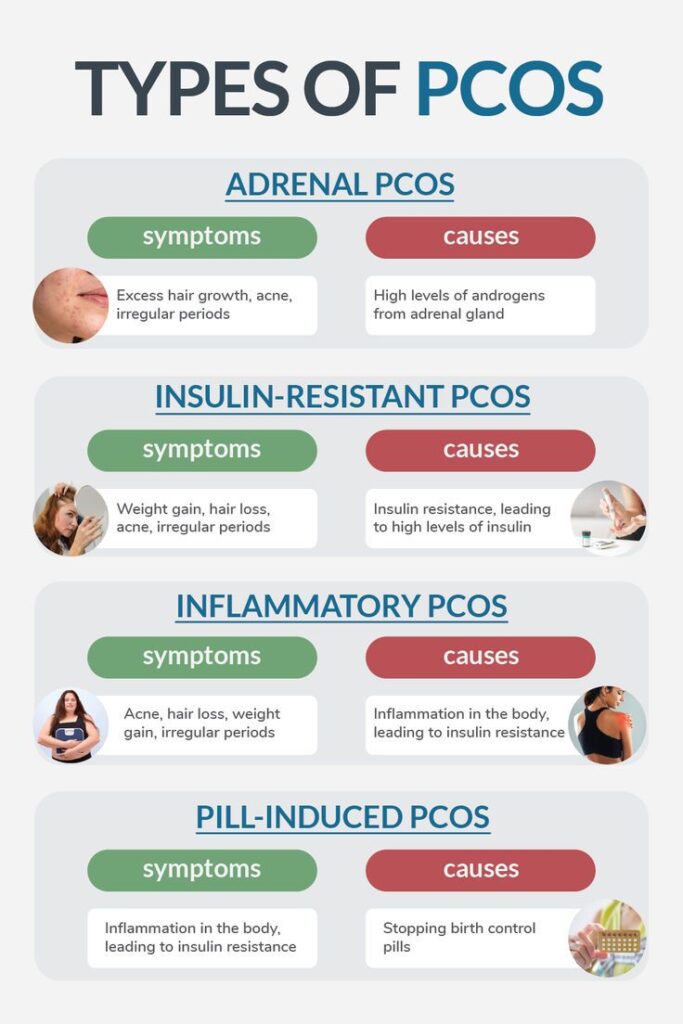
- Acne: Women develop severe acne with pus-filled pimples on the face, known as acne vulgaris.
- Unusual weight gain: Women gain weight suddenly and find it difficult to lose it.
- Excess hair growth (Hirsutism): Women experience abnormal and dark hair growth on the face, back, belly, and chest.
- Irregular menstruation: Women face trouble with menstruation and irregular menstrual cycles. Many women get only 8–9 periods in a year. Periods often last longer than usual and cause heavy bleeding. Some women may not get periods at all.
- Hair thinning or baldness: Women suffer from androgenetic alopecia or male-pattern hair loss due to excess androgen hormones, which causes continuous hair fall or thinning.
- Difficulty in pregnancy: Many women find it hard to get pregnant or may face repeated pregnancy complications.
Many women manage symptoms successfully through natural treatments for PCOD and PCOS.
How Does Changing the Diet Impact PCOD?
Although PCOD is a long-term condition, women can control its symptoms by regulating their hormone levels. A healthy and nutritious diet balances hormones and helps regularize the menstrual cycle. Eating the right foods and maintaining a healthy lifestyle play a key role in preventing and managing PCOD.
Women with PCOS usually have higher-than-normal insulin levels. High insulin levels increase the production of androgens, which creates hormonal imbalance and worsens PCOS symptoms. Therefore, women must keep their insulin levels under control by avoiding foods that contain refined carbohydrates.
Dietary changes also help significantly with weight loss, especially in women with PCOS. Maintaining a healthy weight is essential because excess weight can worsen PCOD symptoms and lead to other serious health problems. Diet and lifestyle changes play a key role in natural treatments for PCOD and PCOS.
What Are the 10 Natural Remedies for PCOD?
In many women, ovarian cysts reduce on their own without treatment. However, women who experience severe symptoms must consult a doctor.
Doctors usually begin treatment with lifestyle changes and natural remedies. These remedies do not completely cure PCOD, but they help control the symptoms when women follow them along with the medicines prescribed by their doctor.
Consuming Whole Foods
Whole foods do not contain artificial sugars and remain free from preservatives. Women with PCOD can include fruits, vegetables, whole grains, and legumes in their daily diet. These foods help maintain healthy insulin levels and keep PCOD symptoms under control.Watch Your Carbohydrate Intake
Carbohydrates directly affect blood sugar levels and raise insulin levels. Women with PCOS should reduce carbohydrate intake and eat more high-protein and high-fiber foods.
Add Anti-Inflammatory Foods
PCOS acts like a chronic inflammatory condition. Eating anti-inflammatory foods helps reduce its symptoms. Include tomatoes, green leafy vegetables, fatty fish such as mackerel and tuna, nuts, and olive oil in your diet.
Keep Your Iron Intake High
Women with PCOS often experience heavy menstrual bleeding, which increases the risk of iron deficiency and anemia. Eating iron-rich foods such as spinach, eggs, liver, and broccoli helps prevent this problem. Always consult a doctor before taking iron supplements.
Increase Magnesium Intake
Magnesium-rich foods like cashews, almonds, bananas, and spinach help control PCOS symptoms. Magnesium maintains healthy insulin levels and improves sleep quality.
Include More Fiber
Fiber improves digestion and reduces bloating and constipation during periods. Add lentils, beans, broccoli, Brussels sprouts, pears, and avocados to your meals.
Avoid Coffee
Caffeine raises estrogen levels and can disturb hormonal balance. Replace coffee with herbal tea or green tea. Green tea also supports insulin control and helps with weight loss.
Consume Soy Products Carefully
Soy products help balance estrogen levels in the body. You can include soy milk, tofu, miso, and tempeh in your diet. However, women with estrogen-related conditions such as breast cancer should avoid soy. Always consult your doctor before adding soy to your diet.
Avoid Junk and Fatty Foods
Junk and oily foods lead to weight gain and disturb digestion, which worsens PCOS symptoms. Avoid these foods completely, except for healthy fats like olive oil.
Practice Regular Exercise
Exercise keeps the body fit and controls stress. Aim for at least 150 minutes of physical activity each week. Regular exercise burns calories and keeps insulin levels in check.
Maintain Healthy Sleep and Manage Stress
Good sleep and a stress-free lifestyle play a vital role in controlling PCOD symptoms and preventing complications. PCOD often runs in families, and nearly 40% of women inherit it from their mother or relatives.
Disclaimer : This content is for informational purposes only. Please consult a medical professional before taking any action.
Frequently Asked Questions (FAQs) on PCOD / PCOS
1. What is PCOD or PCOS?
PCOD or PCOS is a hormonal disorder in which the ovaries produce excess androgens, leading to irregular periods, cyst formation, and ovulation problems.
2. What causes PCOD or PCOS?
Hormonal imbalance, high insulin levels, genetics, unhealthy diet, stress, and lack of physical activity cause PCOD or PCOS.
3. How do I know if I have PCOD or PCOS?
You may have PCOD or PCOS if you experience irregular periods, acne, weight gain, excess facial hair, hair fall, or difficulty getting pregnant.
4. Can diet control PCOD or PCOS?
Yes, a healthy diet controls PCOD or PCOS by balancing hormones, managing insulin levels, and supporting regular menstrual cycles.
5. Which foods should I avoid if I have PCOD or PCOS?
You should avoid refined carbohydrates, sugary foods, junk food, fried items, and excess caffeine if you have PCOD or PCOS.
6. Can natural remedies treat PCOD or PCOS?
Natural remedies reduce PCOD or PCOS symptoms by improving hormonal balance, weight management, and insulin sensitivity, but they do not cure the condition completely.
Disclaimer : This content is for informational purposes only. Please consult a medical professional before taking any action.