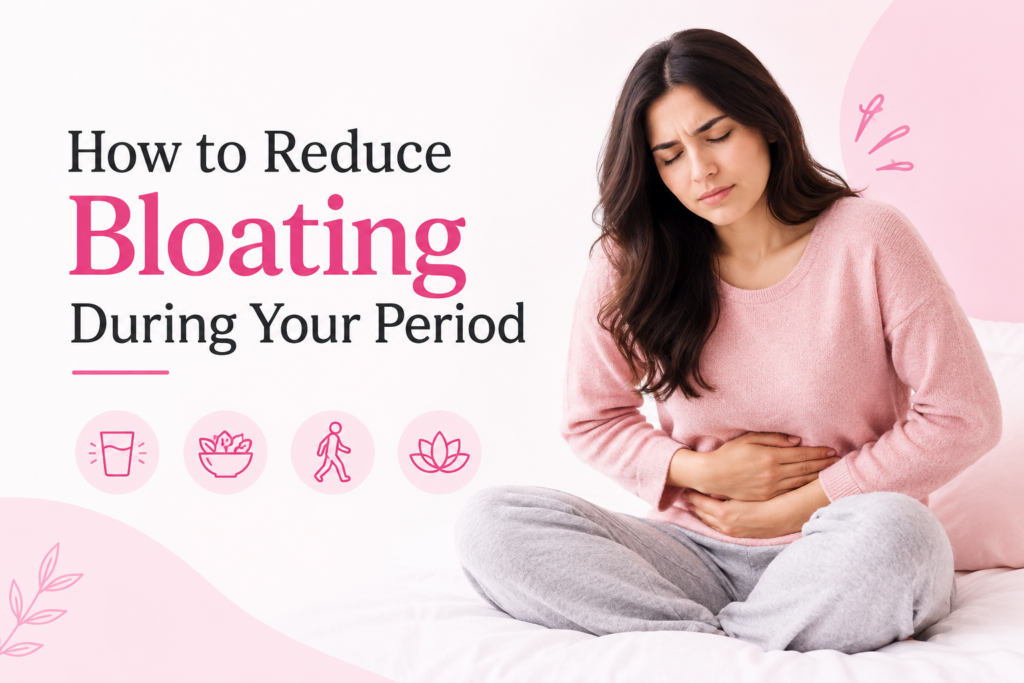
Bloating is one of the most common symptoms that women may experience before or during their period. It can make your stomach feel full, tight, heavy, or swollen, even when you have not eaten much. For some women, bloating may begin a few days before menstruation and gradually improve once the period is over.
Although period bloating is usually temporary, it can still be uncomfortable and may affect your daily routine. The good news is that certain simple lifestyle and dietary habits may help reduce bloating and make you feel more comfortable during your menstrual cycle.
What Causes Bloating During Your Period?
Hormonal fluctuations are one of the main reasons behind period-related bloating. During the menstrual cycle, levels of hormones such as estrogen and progesterone naturally change. These hormonal changes can influence how the body manages fluids and how the digestive system functions.
As a result, some women may experience temporary water retention, constipation, gas, or changes in bowel movements. These changes can create a feeling of fullness or swelling around the abdomen.
Diet, stress, physical activity, sleep, and individual digestive sensitivity can also influence how severe bloating feels.
It is important to remember that experiencing some bloating around your period can be normal. However, severe or persistent bloating may require medical evaluation.
10 Tips to Reduce Bloating During Your Period
1. Stay Hydrated Throughout the Day
When you feel bloated, you may think that drinking less water will help. However, staying adequately hydrated is important for maintaining normal fluid balance and supporting digestion.
Try to drink water regularly throughout the day instead of drinking a large amount at once. You can also include water-rich foods such as cucumber, watermelon, oranges, and other fruits and vegetables as part of a balanced diet.
If you are physically active or the weather is hot, your fluid requirements may be higher.
2. Reduce Excess Salt
High-sodium foods can contribute to water retention, which may make you feel more bloated during your period.
Try to limit foods that are particularly high in salt, such as:
- Packaged snacks
- Chips
- Instant noodles
- Processed foods
- Pickles and very salty foods
- Fast food
- Heavily salted meals
Instead, choose fresh or minimally processed foods and avoid adding unnecessary extra salt to meals.
3. Eat Smaller, Balanced Meals
Eating very large meals can sometimes make abdominal fullness and discomfort more noticeable. During your period, you may find it more comfortable to eat regular, balanced meals rather than skipping meals and overeating later.
Include a combination of vegetables, fruits, whole grains, pulses, nuts, seeds, and other nutritious foods.
A balanced diet can also provide the nutrients your body needs during the menstrual cycle.
4. Include Fibre—but Increase It Gradually
Fibre is important for healthy digestion and regular bowel movements. However, suddenly increasing your fibre intake may cause additional gas or bloating in some people.
If your diet is currently low in fibre, increase fibre-rich foods gradually and make sure you are drinking enough fluids.
Good sources include fruits, vegetables, whole grains, pulses, nuts, and seeds.
If certain high-fibre foods consistently make your symptoms worse, discuss your diet with a healthcare professional or qualified nutrition professional.
5. Stay Physically Active
Physical activity can be helpful during your period, even if you do not feel like doing a regular workout.
Gentle activities such as walking, stretching, light yoga, or other comfortable exercises can help you stay active and may support normal digestion.
You don’t need to push yourself through intense exercise. Listen to your body and choose activities that match your energy level.
Even a short walk during the day can be a simple way to keep your body moving.
6. Identify Foods That Trigger Your Symptoms
Everyone’s digestive system responds differently to food. Some people may notice increased gas or discomfort after consuming certain foods, while others may have no problem with them.
Keep a simple record of what you eat and how you feel during different stages of your menstrual cycle. If you repeatedly notice that a particular food is associated with increased bloating, you can discuss it with a healthcare professional or nutritionist.
Avoid unnecessarily eliminating large food groups without professional guidance.
7. Limit Carbonated Drinks
Carbonated beverages can introduce additional gas into the digestive system and may make some people feel more bloated.
If you already experience significant bloating around your period, consider reducing fizzy drinks and choosing water or other suitable non-carbonated beverages instead.
You may also want to observe whether caffeinated or very sugary drinks affect your symptoms.
8. Get Enough Sleep
Your body goes through natural hormonal changes during the menstrual cycle, and adequate rest can support overall well-being.
Try to maintain a regular sleep schedule and aim for sufficient sleep each night. Avoiding excessive screen time before bed and creating a relaxing bedtime routine may also help.
If period symptoms are making it difficult to sleep, speak with a healthcare professional if the problem is persistent.
9. Manage Stress
Stress can affect the digestive system and may make feelings of abdominal discomfort more noticeable. Managing stress does not necessarily require a complicated routine.
You can try:
- Deep breathing exercises
- Meditation
- Gentle stretching
- Reading
- Listening to relaxing music
- Spending time outdoors
- Taking short breaks during a busy day
Finding an activity that helps you relax can support your overall well-being during your period.
10. Use Gentle Heat for General Menstrual Discomfort
A warm heating pad or hot-water bottle placed over the lower abdomen may provide comfort for some people experiencing menstrual cramps.
While warmth does not directly treat the cause of bloating, reducing menstrual discomfort may help you feel more comfortable overall.
Always use a safe temperature and avoid applying excessive heat directly to the skin for long periods.
Foods That May Support You During Your Period
There is no single diet that eliminates period bloating for everyone. However, focusing on a balanced and nutrient-rich diet can support overall health.
Consider including:
Fruits and Vegetables
They provide water, fibre, vitamins, minerals, and other nutrients that support a balanced diet.
Whole Grains
Foods such as oats, brown rice, and other whole grains can provide fibre and help support regular digestion.
Pulses and Legumes
Lentils, beans, and other pulses can be nutritious sources of protein and fibre. If they tend to cause gas for you, introduce them gradually and observe your tolerance.
Nuts and Seeds
Nuts and seeds can be included in moderation as part of a balanced diet and provide several important nutrients.
Adequate Protein
Including appropriate protein sources in meals can help create balanced and satisfying meals throughout the day.
Foods You May Want to Limit
Certain foods may make bloating or digestive discomfort worse for some people, particularly when consumed in large amounts.
These may include:
- Very salty foods
- Highly processed foods
- Excessively sugary foods
- Carbonated beverages
- Very large meals
- Foods that you already know trigger gas or digestive discomfort
You do not necessarily need to completely avoid these foods. The key is to notice how your body responds and maintain a balanced eating pattern.
Period Bloating vs. Persistent Bloating
One important thing to remember is that period-related bloating generally follows a pattern around your menstrual cycle and often improves after your period.
If you experience bloating throughout the month, if it is becoming progressively worse, or if it does not improve after your period, it may be worth discussing it with a healthcare professional.
Persistent bloating can have many possible causes, so it should not automatically be attributed to menstruation.
When Should You See a Doctor?
Most mild period-related bloating is temporary. However, you should consider consulting a healthcare professional if you experience:
- Severe or persistent bloating
- Severe or worsening abdominal pain
- Persistent vomiting
- Unexplained weight loss
- Significant changes in bowel habits
- Loss of appetite that continues
- Bloating that occurs regularly outside your menstrual cycle
- Changes in your usual menstrual pattern
- Symptoms that interfere significantly with your daily activities
A healthcare professional can assess your symptoms, medical history, and menstrual pattern and recommend appropriate evaluation if needed.
Frequently Asked Questions
Is bloating normal during periods?
Mild bloating around the time of your period is common and may be related to hormonal changes and temporary fluid retention. However, severe or persistent bloating should be discussed with a healthcare professional.
How long does period bloating last?
The duration can vary from person to person. Some women experience bloating for a few days before their period, while others notice it during the first few days of menstruation. It generally improves as the menstrual cycle progresses.
Does drinking water reduce period bloating?
Staying adequately hydrated supports normal fluid balance and digestion. Drinking enough water may help some women feel less uncomfortable when experiencing period-related bloating.
Can exercise help with period bloating?
Gentle physical activity such as walking, stretching, and light yoga may support digestion and general well-being. Choose an activity that feels comfortable for your body.
Should I completely avoid certain foods during my period?
Not necessarily. Food tolerance varies from person to person. Instead of following a restrictive diet, pay attention to foods that consistently trigger discomfort and maintain a balanced eating pattern.
Final Thoughts
Period bloating can be uncomfortable, but it is often a temporary part of the menstrual cycle. Simple habits such as staying hydrated, limiting excess salt, eating balanced meals, gradually including fibre, staying physically active, getting enough sleep, and managing stress may help you feel more comfortable.
Most importantly, learn to understand your body’s patterns. Tracking your menstrual cycle and symptoms can help you identify what is normal for you and notice any changes.
If bloating becomes severe, persistent, or starts affecting your daily life, don’t simply assume that it is a normal period symptom. Consult a healthcare professional for proper evaluation and personalized guidance.
Taking care of your menstrual health is an important part of taking care of your overall health.