Introduction
Tobacco consumption is one of the major preventable causes of serious health problems worldwide. Whether it is smoking cigarettes, using bidis, or consuming smokeless tobacco, tobacco can negatively affect different organs of the body, especially the heart and lungs.
Many people continue using tobacco without fully understanding its long-term consequences. From breathing difficulties to an increased risk of heart disease and lung cancer, tobacco can have a serious impact on overall health.
Choosing to quit tobacco today is an important step towards protecting your heart, improving lung health, and living a healthier life.
How Does Tobacco Affect Your Lungs?
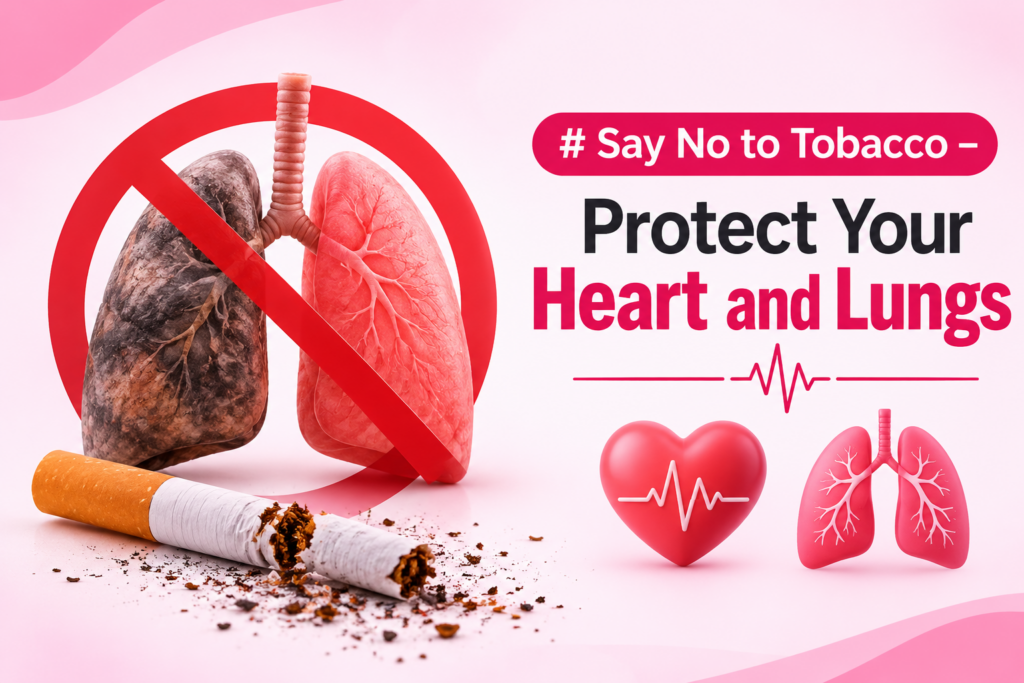
Your lungs play an essential role in supplying oxygen to your body. Tobacco smoke contains harmful chemicals that can damage lung tissues and affect normal breathing.
Here are some major effects of tobacco on lung health:
1. Increases the Risk of Lung Cancer
Smoking exposes the lungs to cancer-causing chemicals. Long-term tobacco use significantly increases the risk of developing lung cancer.
2. Causes Breathing Problems
Tobacco smoke irritates the airways and can cause persistent coughing, wheezing, and shortness of breath.
3. Increases the Risk of COPD
Long-term smoking is a major cause of Chronic Obstructive Pulmonary Disease (COPD), a group of lung conditions that make breathing difficult.
4. Weakens Lung Function
Continuous exposure to tobacco smoke can damage lung tissues and reduce the lungs’ ability to function properly.
How Does Tobacco Affect Your Heart?
Tobacco doesn’t only damage your lungs; it also puts your cardiovascular system at risk.
Smoking can affect your heart in several ways:
- Increases Blood Pressure: Nicotine can increase heart rate and blood pressure, putting additional strain on the heart.
- Damages Blood Vessels: Harmful substances in tobacco smoke can damage blood vessel walls.
- Increases Blood Clot Risk: Smoking makes blood more likely to clot, which can block blood flow.
- Raises Heart Attack Risk: Tobacco use significantly increases the risk of coronary heart disease and other cardiovascular problems.
Other Health Risks Associated with Tobacco
Apart from heart and lung diseases, tobacco consumption can affect several other parts of your body.
Some important health risks include:
- Increased risk of different types of cancer.
- Stroke and other cardiovascular complications.
- Reduced immunity and overall health.
- Increased risk of respiratory infections.
- Harmful effects on people exposed to second-hand smoke.
Remember, no form of tobacco is completely safe. Even smokeless tobacco can cause serious health problems.
Benefits of Quitting Tobacco
The good news is that quitting tobacco can improve your health at any age. Your body starts recovering soon after you stop smoking.
Here are some positive changes that happen after quitting:
- After 20 Minutes: Heart rate and blood pressure begin to decrease.
- After 12 Hours: Carbon monoxide levels in the blood return to normal.
- After 2–12 Weeks: Blood circulation and lung function improve.
- After 1–9 Months: Coughing and shortness of breath decrease.
- After 1 Year: The risk of coronary heart disease becomes about half that of someone who continues smoking.
These improvements show why quitting tobacco is one of the most important decisions you can make for your health.
Practical Tips to Quit Tobacco
Quitting tobacco may feel challenging because nicotine is addictive, but the right support and consistent efforts can make the process easier.
Here are some practical steps:
- Set a Quit Date: Choose a specific date and prepare yourself mentally to stop using tobacco.
- Identify Your Triggers: Understand the situations, emotions, or habits that make you want tobacco.
- Avoid Tobacco-Related Habits: Stay away from situations that encourage tobacco consumption.
- Seek Professional Guidance: Consult a healthcare professional about counselling and suitable treatments to manage nicotine dependence.
- Stay Consistent: Focus on your progress and remember that every tobacco-free day matters.
If you experience difficulty quitting, professional counselling and approved treatments can help you manage nicotine cravings.
Protect Yourself and Your Loved Ones from Second-Hand Smoke
Tobacco smoke doesn’t affect only the person who smokes. People nearby, including children and family members, can also be exposed to harmful chemicals through second-hand smoke.
There is no safe level of exposure to second-hand tobacco smoke. It can increase the risk of heart disease, stroke, and lung cancer in non-smokers.
Creating a smoke-free home, workplace, and environment is an important step towards protecting everyone’s health.
Conclusion: Choose Health, Choose a Tobacco-Free Life
Your heart and lungs work every day to keep you healthy. Protecting them should always be a priority. Tobacco consumption can lead to serious health complications, but quitting can reduce these risks and improve your overall well-being.
Don’t wait for a health problem to make the decision for you. Take the first step today, encourage your loved ones to quit, and choose a healthier lifestyle.
Say No to Tobacco. Protect Your Heart and Lungs. Breathe Better. Live Healthier.
At LifeSage Healthcare, we believe that awareness and preventive healthcare are important steps towards a healthier future.
Medical Disclaimer: This article is intended for general educational purposes only. It does not replace professional medical advice, diagnosis, or treatment. Always consult a qualified healthcare professional for medical guidance.
References & Sources
The information shared in this article is based on trusted healthcare and public health resources:
- World Health Organization (WHO) – Tobacco and Nicotine: Health Effects
- World Health Organization (WHO) – Health Benefits of Smoking Cessation
- Centers for Disease Control and Prevention (CDC) – Smoking and Cardiovascular Disease
- Centers for Disease Control and Prevention (CDC) – Benefits of Quitting Smoking
- National Cancer Institute (NCI) – Harms of Cigarette Smoking and Health Benefits of Quitting
These sources provide information about tobacco-related health risks, the effects of smoking on the heart and lungs, second-hand smoke, and the benefits of quitting tobacco.