
Introduction
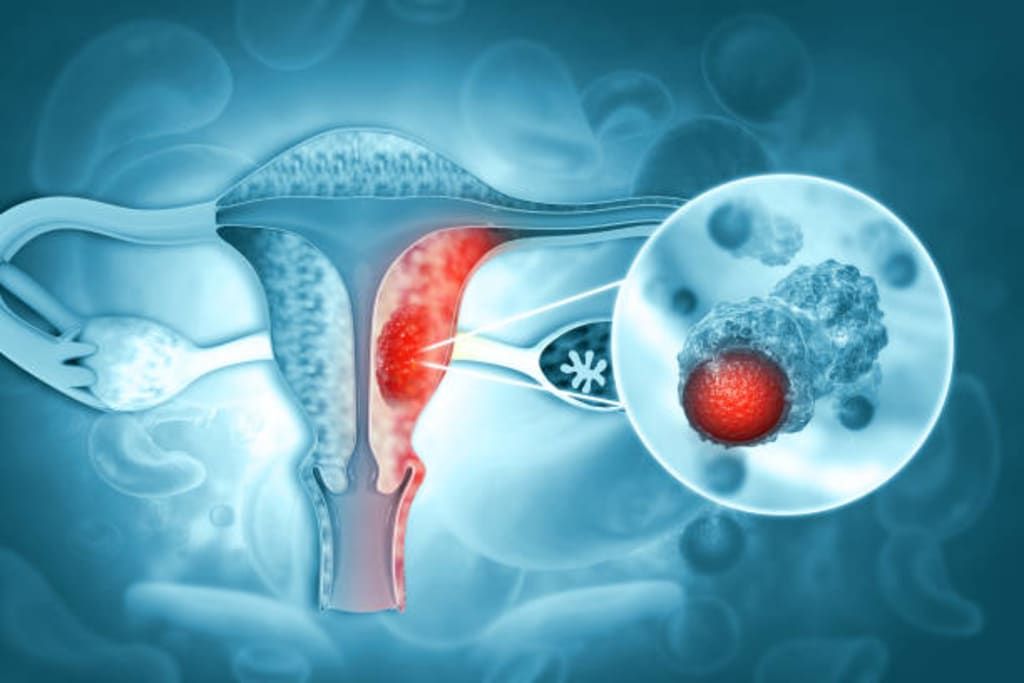
Cervical cancer is one of the most preventable and treatable forms of cancer when detected early. Yet, it remains a major health concern for women, especially in developing countries like India. Lack of awareness, delayed screening, and social stigma often lead to late diagnosis.
This comprehensive guide explains what cervical cancer is, its causes, symptoms, stages, diagnosis, treatment options, and prevention strategies, empowering women to take control of their health.
What Is Cervical Cancer?
Cervical cancer begins on the surface of the cervix when healthy cells start changing into precancerous cells. Over time, these abnormal cells can develop into cancer if doctors do not detect and treat them early.
HPV infection causes nearly all cervical cancer cases. HPV spreads through sexual contact, including vaginal, oral, or anal sex. You can lower your risk by getting regular cervical cancer screening tests such as a Pap smear and by receiving the HPV vaccine.
Cervical cancer remains highly treatable when doctors diagnose it in the early stages.
Types of Cervical Cancer
Doctors classify cervical cancer into two main types:
- Squamous cell carcinoma:
This type develops in the thin, flat cells lining the outer cervix and accounts for about 80–90% of cases. - Adenocarcinoma:
This type begins in the glandular cells of the cervical canal and accounts for 10–20% of cases.
Some women may develop a combination of both types.
Symptoms and Causes
What are the warning signs of cervical cancer?
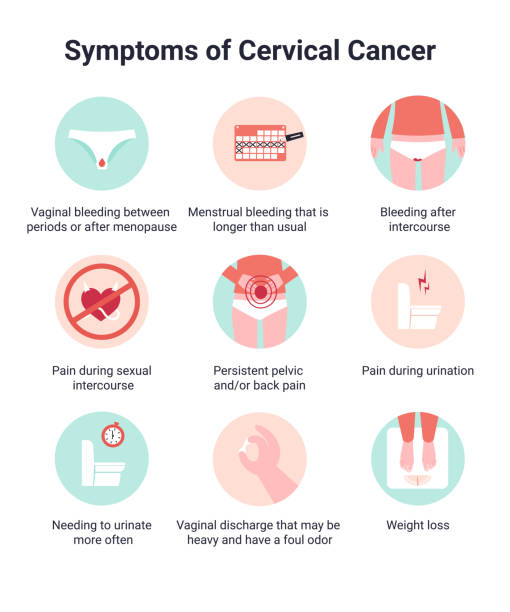
Early stages of cervical cancer do n’t generally involve symptoms and are hard to descry. The first signs of cervical cancer may take time to develop. Signs and symptoms of Stage I cervical cancer can include Watery or bloody vaginal discharge that may be heavy and can have a foul odor. Vaginal bleeding after coitus, between menstrual ages or after menopause. Pain during coitus( dyspareunia). still, symptoms may include If cancer has spread to near apkins or organs. delicate or painful urination, occasionally with blood in your urine. Diarrhea, pain or bleeding from your rectum when pooping. Fatigue, loss of weight and appetite. A general feeling of illness. Dull backache or swelling in your legs. Pelvic/ abdominal pain. still, unusual vaginal discharge or any other inexplainable symptoms, you should communicate a healthcare provider, If you witness abnormal bleeding.
Early-stage cervical cancer usually does not cause noticeable symptoms. Symptoms often appear after cancer begins to spread.
Early symptoms may include:
- Watery or bloody vaginal discharge with a foul odor
- Vaginal bleeding after sexual intercourse
- Bleeding between menstrual periods
- Bleeding after menopause
- Pain during sexual intercourse
Advanced symptoms may include:
- Painful or difficult urination
- Blood in urine
- Rectal pain, bleeding, or diarrhea
- Pelvic or abdominal pain
- Back pain or swelling in the legs
- Fatigue, weight loss, and loss of appetite
What causes cervical cancer?
Persistent HPV infection causes most cervical cancers. HPV spreads through sexual contact. Most people contract HPV at some point in their lives, and the body clears the infection naturally. However, if the immune system fails to clear high-risk HPV types, the virus can damage cervical cells and cause them to turn cancerous over time.
utmost cervical cancers are caused by HPV, a sexually transmitted infection. HPV spreads through sexual contact( anal, oral or vaginal) and can lead to cancer. utmost people will get HPV at some point in their lives and not realize it because their bodies fight off the infection. But if your body does n’t fight off the infection, it can beget the cells of your cervix to change to cancerous cells.
HPV and Cervical Cancer
More than 100 types of HPV exist, but about a dozen high-risk types can cause cancer. Early detection of these strains plays a vital role in preventing cervical cancer. The HPV vaccine protects against the HPV types responsible for nearly 90% of cervical cancer cases. Vaccination remains one of the most effective prevention strategies.
There are further than 100 kinds of HPV, and about a dozen of them have been shown to lead to cancer. Beforehand discovery of these HPV strains is crucial in precluding cervical cancer. The HPV vaccine can help help HPV infection by guarding you against the HPV that causes up to 90 of all cervical cancers.
Who’s at threat for cervical cancer?
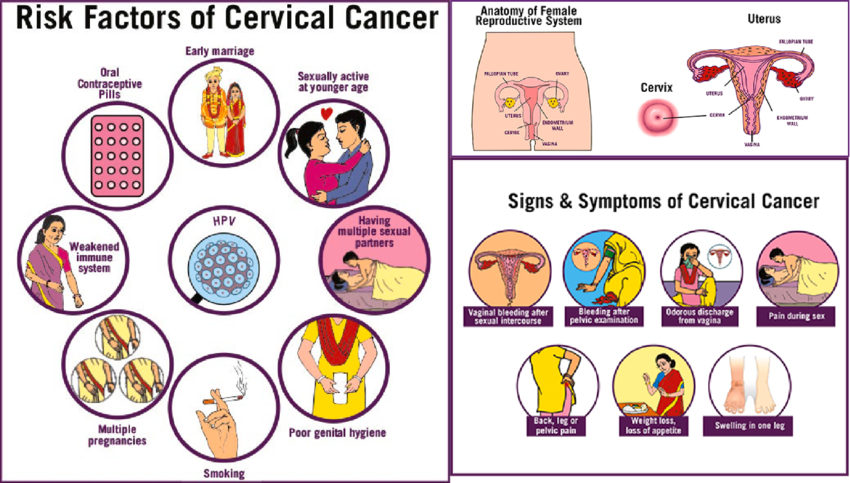
In numerous cases, you can have no given threat factors for cervical cancer. Other times, you may have one or further threat factors. Some threat factors within your control are Webbing history People who have n’t had Pap tests at regular intervals are more likely to get cervical cancer( because Pap tests can descry precancerous cells).
HPV infection Certain types of HPV cause cervical cancer. Lowering your threat for HPV can also lower your threat for cervical cancer.
Sexual history Having sexual intercourse before the age of 18 and having numerous sexual mates may put you at advanced threat of HPV infection. Smoking Smoking cigarettes increases your threat of cervical cancer. HIV infection People with HIV have a advanced- than-average threat of developing cervical cancer. Having a weakened vulnerable system Having a weak vulnerable system makes your body unfit to fight infections. There are some threat factors you ca n’t change or control. These are DES( diethylstilbestrol) DES is a drug that was given to people between 1938 and 1971 to help miscarriage.However, you may be more likely to get cervical cancer, If your mama took DES. Family history Cervical cancer may have a inheritable element.
Risk factors you can control:
- Skipping regular Pap smear tests
- Persistent HPV infection
- Early sexual activity
- Multiple sexual partners
- Smoking
- Weakened immune system (including HIV infection)
Risk factors you cannot control:
- Exposure to DES (diethylstilbestrol) before birth
- Family history of cervical cancer
How long can cervical cancer go unnoticed?
Precancerous cell changes can progress sluggishly, but once they turn into cancer, it can progress snappily. It takes between three and seven times for abnormal cell changes to come cancer. Pap tests can descry precancerous cell changes before they’ve a chance to turn into cancer.However, cervical cancer is n’t likely to go unnoticed, If you’re keeping up with regular Pap tests.
What are complications of cervical cancer?
Early discovery and treatment of cervical cancer are crucial to avoiding life- hanging complications of the complaint. Some possible complications of cervical cancer include Pain Cancer can be painful when it spreads. Bladder and bowel changes Cervical cancer can beget urinary problems like difficulty peeing. It can also beget constipation. order damage order failure is a complication of advanced cervical cancer. Blood clots Your threat for blood clots increases because blood becomes “ sticky ” when you have cancer. This may decelerate your blood inflow and lead to a clot. Bleeding You may witness bleeding from your vagina, rectum or bladder if cancer spreads to those organs. Fertility or gestation challenges Depending on the treatment you have, you could lose the capability to get pregnant. Surgery on your cervix to remove cancer cells could also increase your chance of confinement with unborn gravidity. Side goods of cancer treatment Chemotherapy, radiation and other cancer treatments can beget unwelcome side goods like nausea and vomiting, fatigue and sexual dysfunction.
How is cervical cancer diagnosed?
Cervical cancer generally develops sluggishly and over numerous times. Before turning into cancer, the cells in your cervix go through a lot of changes. The formerly normal cells in your cervix start to appear irregular or abnormal. These abnormal cells may go down, stay the same or turn into cancer cells. Regular cervical cancer wireworks with a Pap test can descry utmost cases of cervical cancer. The thing of cervical cancer webbing is to descry cell changes on your cervix before they come cancer. A Pap test, or Pap smear, involves looking at cells from your cervix under a microscope. These cells are examined for signs of precancers or other irregularities. still, farther testing is necessary, If your Pap comes back as abnormal. This could include an HPV test, which is a specific test that checks the cells of your cervix for the HPV strains that are most likely to beget cancer.
Tests to diagnose cervical cancer
Still, your healthcare provider will want to run further tests to confirm you have cervical cancer, If your wireworks come back as abnormal. The first step in that’s generally a colposcopy. A colposcope magnifies the cells of your cervix so your healthcare provider can see irregular cells.However, they’ll remove a sample of cervical cells and shoot them to a lab for farther testing, If the cells look suspicious or unusual.
They can use any of the following styles to get a sample of towel from your cervix Punch vivisection Your provider uses a slice tool with a round top to cut out the precancerous cells. Endocervical curettage This procedure involves your provider scraping the filling of your cervix with a ladle- shaped tool called a curette. Loop electrosurgical excision procedure( LEEP) Your provider uses an electrical line circle to remove the abnormal cervical towel. Cone vivisection Your provider removes a slightly larger, cone- shaped piece of towel from your cervix. still, farther tests will determine whether the complaint has spread( metastasized), If the results from these tests confirm cervical cancer. These tests might include Liver and order function studies. Blood and urine tests. X-rays of your bladder, rectum, intestine and lungs. CT reviews. MRI. The results of these tests also help your healthcare provider stage the cancer. Cervical cancer ranges from Stage I( least severe) to Stage IV( most severe). Staging helps your healthcare provider determine the stylish treatment plan.
What are the stages of cervical cancer?
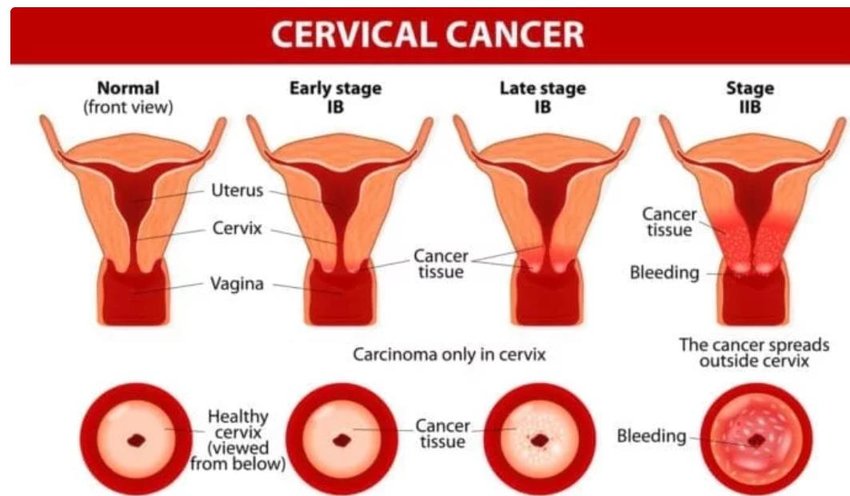
I: Cancer remains limited to the cervix
II: Cancer spreads beyond the cervix but not to the pelvic wall
III: Cancer spreads to the lower vagina, pelvic wall, or nearby lymph nodes
IV: Cancer spreads to distant organs such as the bladder, rectum, lungs, or bones
What does cervical cancer look like?
Cervical cancer cells look different under a microscope compared to normal or healthy cells. Only a pathologist can identify these changes. You would n’t be suitable to see or touch cervical cancer on your own. A pathologist will notice the following features of cervical cancer cells Different size and shape. Loss of structure or association. Increase in fluid inside the cell. A darkened center. operation and Treatment .
How is cervical cancer treated?
Treatment for cervical cancer is grounded on numerous factors, including the stage of the complaint, your age and general health, and if you want children in the future. The treatments for cervical cancer are radiation, chemotherapy, surgery, targeted remedy and immunotherapy. Clinical trials are another option. They’re controlled exploration studies to test new treatments for cancer. Talk to your oncologist if you’d like to share in a clinical trial. Some people use indispensable treatments like diet, sauces, acupuncture and other styles to condense their cancer treatment. Talk to your healthcare provider about indispensable styles that claim to relieve cancer symptoms. Some may help, but others could be dangerous.
Conclusion
Cervical cancer is preventable, detectable, and treatable with timely action. Regular screening, HPV vaccination, and early medical care save lives. Every woman should prioritize cervical health and spread awareness to reduce the global burden of cervical cancer.
Early detection protects your future.
Frequently Asked Questions (FAQs) About Cervical Cancer
1. What is cervical cancer?
Cervical cancer starts in the cells of the cervix, the lower part of the uterus. Persistent HPV infection causes most cervical cancer cases.
2. What are the early symptoms of cervical cancer?
Early cervical cancer usually does not cause symptoms. As cancer progresses, women may notice abnormal vaginal bleeding, unusual discharge, or pain during intercourse.
3. What causes cervical cancer?
High-risk Human Papillomavirus (HPV) infection causes most cervical cancers. HPV spreads through sexual contact and damages cervical cells over time.
Disclaimer : This content is for informational purposes only. Please consult a medical professional before taking any action.