Pregnancy is one of the most important and transformative phases in a woman’s life. During these nine months, the body goes through significant physical, hormonal and nutritional changes to support the growth and development of the baby. As the baby develops, the requirement for several essential vitamins, minerals and nutrients increases.
A healthy and balanced diet is the foundation of good prenatal nutrition. However, it may sometimes be difficult to get enough of certain nutrients through food alone. This is where prenatal vitamins and supplements, when recommended by a healthcare professional, can play an important role.
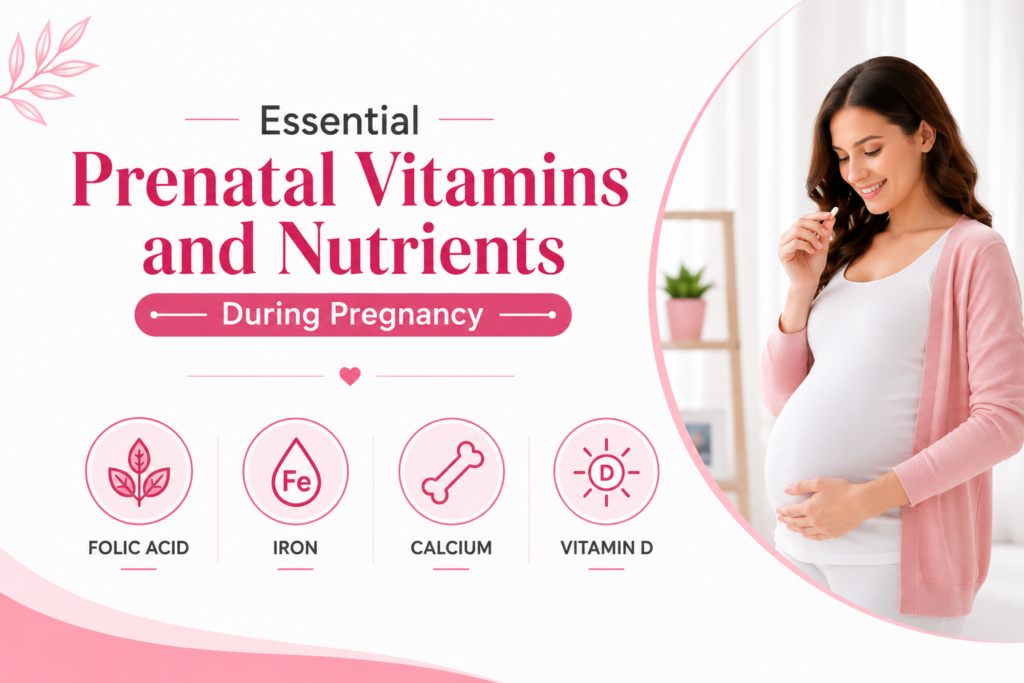
From folic acid and iron to calcium, vitamin D, iodine and omega-3 fatty acids, each nutrient has a specific role in supporting the health of the mother and baby.
Why Are Prenatal Vitamins Important During Pregnancy?
During pregnancy, a woman’s nutritional requirements change considerably. The body needs additional nutrients to support the development of the baby, formation of the placenta, increased blood volume and changes in the mother’s body.
Prenatal vitamins are specially formulated supplements that contain important vitamins and minerals needed during pregnancy. They are designed to complement a healthy diet rather than replace it.
Taking the right prenatal supplement may help women meet their increased nutritional needs, especially for nutrients such as folic acid, iron and iodine.
However, every pregnancy is different. The right supplement and dosage can depend on factors such as diet, pregnancy stage, existing nutritional deficiencies and medical history. Therefore, prenatal vitamins should be taken under the guidance of a doctor or qualified healthcare professional.
1. Folic Acid: Essential for Early Pregnancy
Folic acid, the supplemental form of folate, is one of the most important nutrients before and during early pregnancy.
It supports the formation of the baby’s neural tube, which eventually develops into the brain and spinal cord. Adequate folic acid intake before conception and during early pregnancy can help reduce the risk of neural tube defects.
Folate can be obtained from foods such as:
- Spinach and other green leafy vegetables
- Lentils and beans
- Citrus fruits
- Peanuts
- Fortified cereals and grains
- Broccoli
Because the requirement for folate increases during pregnancy, healthcare professionals commonly recommend a folic acid supplement.
2. Iron: Supports Healthy Blood Production
Iron becomes especially important during pregnancy because the mother’s blood volume increases. Iron is required to make hemoglobin, the protein in red blood cells that carries oxygen throughout the body.
Adequate iron intake supports oxygen delivery to the developing baby and helps maintain the mother’s health.
Iron-rich foods include:
- Lentils and beans
- Green leafy vegetables
- Fortified cereals
- Nuts and seeds
- Lean meat
- Poultry
- Eggs
Iron deficiency can contribute to anemia, which may cause symptoms such as tiredness, weakness and reduced energy. A doctor may recommend an iron supplement if dietary intake is insufficient or blood tests indicate a deficiency.
Vitamin C-rich foods can also help improve the absorption of iron from plant-based sources. Try pairing iron-rich foods with oranges, guava, tomatoes, amla or bell peppers.
3. Calcium: Important for Bones and Teeth
Calcium plays an important role in the development of the baby’s bones and teeth. It also supports normal muscle function, nerve signaling and healthy bones in the mother.
Good sources of calcium include:
- Milk
- Yogurt
- Cheese
- Calcium-fortified plant-based milk
- Tofu
- Certain leafy green vegetables
- Sesame seeds
If a pregnant woman does not consume enough calcium through her diet, her healthcare professional may suggest supplementation.
It is important not to take high-dose calcium supplements without medical advice because the appropriate amount varies from person to person.
4. Vitamin D: Helps the Body Absorb Calcium
Vitamin D works closely with calcium to support healthy bones and teeth. It also contributes to normal immune function.
The body can produce vitamin D through exposure to sunlight, while dietary sources include:
- Fortified milk
- Eggs
- Fatty fish
- Fortified foods
Vitamin D deficiency can occur in some individuals, and a healthcare professional may recommend testing or supplementation when appropriate.
5. Iodine: Supports Brain and Thyroid Development
Iodine is essential for producing thyroid hormones. These hormones play an important role in the baby’s brain and nervous-system development.
Common dietary sources include:
- Iodized salt
- Dairy products
- Eggs
- Fish and seafood
Pregnant women should make sure their diet provides adequate iodine, but they should also avoid excessive supplementation unless specifically recommended by their healthcare provider.
6. Vitamin B12: Important for the Nervous System
Vitamin B12 is involved in red blood cell production and supports the normal functioning and development of the nervous system.
It is naturally found mainly in animal-based foods, including:
- Milk
- Yogurt
- Eggs
- Fish
- Meat
- Poultry
Women who follow a vegetarian or vegan diet may need to pay special attention to their vitamin B12 intake. A healthcare professional can recommend suitable fortified foods or supplements if necessary.
7. Omega-3 Fatty Acids: Supporting Baby’s Brain and Eyes
Omega-3 fatty acids, especially DHA, are important for the development of the baby’s brain and eyes.
Pregnant women can obtain omega-3 fatty acids from suitable food sources such as low-mercury fatty fish. Some prenatal supplements also contain DHA.
When consuming fish during pregnancy, it is important to choose varieties that are low in mercury and follow appropriate food-safety recommendations.
Women who do not eat fish can discuss DHA supplementation with their healthcare provider.
8. Vitamin C: Supports Immunity and Iron Absorption
Vitamin C is an antioxidant that supports normal immune function and helps the body absorb iron from plant-based foods.
It also contributes to the production of collagen, which is important for healthy skin, connective tissue and blood vessels.
Excellent food sources of vitamin C include:
- Oranges
- Guava
- Amla
- Kiwi
- Strawberries
- Tomatoes
- Bell peppers
- Broccoli
Adding fresh fruits and vegetables to daily meals can make it easier to meet vitamin C requirements naturally.
9. Choline: Important for Baby’s Brain Development
Choline is an essential nutrient that plays a role in the development of the baby’s brain and nervous system. It is also involved in several important processes within the body.
Food sources of choline include:
- Eggs
- Dairy products
- Soybeans
- Fish
- Meat
- Poultry
- Some legumes and nuts
Choline is sometimes overlooked when discussing prenatal nutrition, so maintaining a diverse and balanced diet is important.
10. Protein: Building Block for Growth
Protein is not a vitamin or mineral, but it is one of the most important nutrients during pregnancy.
The developing baby requires protein for growth and development, while the mother’s body needs it to support changes in tissues, blood volume and other pregnancy-related processes.
Healthy protein sources include:
- Dal and lentils
- Beans
- Chickpeas
- Paneer
- Yogurt
- Eggs
- Fish
- Chicken
- Tofu
- Nuts and seeds
Including a source of protein in regular meals can help support overall nutritional needs during pregnancy.
11. Magnesium: Supports Muscles and Normal Body Functions
Magnesium contributes to normal muscle and nerve function and is involved in many processes within the body.
Food sources include:
- Nuts
- Seeds
- Whole grains
- Legumes
- Green leafy vegetables
- Avocado
A balanced diet can provide magnesium for many pregnant women, while supplements should only be taken when recommended by a healthcare professional.
Food First: Why a Balanced Diet Still Matters
Prenatal vitamins are important, but they should not be considered a replacement for healthy food.
A nutritious pregnancy diet should include a variety of:
- Fresh fruits and vegetables
- Whole grains
- Pulses and legumes
- Dairy products or suitable alternatives
- Protein-rich foods
- Nuts and seeds
- Healthy fats
- Adequate fluids
Eating a wide variety of foods helps provide different vitamins, minerals, fiber, protein and other nutrients required during pregnancy.
When Should You Start Taking Prenatal Vitamins?
Some prenatal nutrients, particularly folic acid, are important even before pregnancy because early fetal development begins very soon after conception.
Women who are planning to become pregnant can discuss prenatal supplementation with their healthcare professional before conception. This allows them to understand which nutrients they need and whether any dietary changes or blood tests are appropriate.
Once pregnancy is confirmed, prenatal supplementation can be adjusted according to individual nutritional requirements and medical advice.
How to Take Prenatal Vitamins Safely
Taking prenatal vitamins correctly is just as important as choosing the right supplement.
Keep these points in mind:
- Take supplements according to your healthcare professional’s instructions.
- Read the supplement label carefully.
- Do not combine multiple vitamin supplements without professional advice.
- Tell your doctor about any medicines, supplements or herbal products you are taking.
- If a supplement causes nausea, constipation or stomach discomfort, discuss alternatives with your healthcare provider.
- Keep supplements stored safely and away from children.
- Do not assume that a higher dose is always better.
Certain vitamins and minerals can be harmful when consumed in excessive amounts, so self-prescribing high-dose supplements is not recommended.
Common Questions About Prenatal Vitamins
Can prenatal vitamins replace a healthy diet?
No. Prenatal vitamins are intended to supplement the diet, not replace nutritious meals. A balanced diet remains an important part of a healthy pregnancy.
Do all pregnant women need the same prenatal vitamins?
Not necessarily. Nutritional needs can vary depending on diet, age, pregnancy stage, deficiencies, medical history and other individual factors. A healthcare professional can recommend the most appropriate supplement.
What if prenatal vitamins cause nausea?
Some prenatal supplements may cause nausea or stomach discomfort. Taking them with food or changing the time of day may help some women, but it is best to discuss persistent side effects with a healthcare professional before changing the supplement.
Is it safe to take extra vitamins during pregnancy?
Not always. Some nutrients can become harmful when taken in excessive amounts. Avoid adding separate vitamin or mineral supplements unless they have been recommended by your doctor.
Final Thoughts
Good nutrition during pregnancy is an important part of supporting both maternal and fetal health. Essential nutrients such as folic acid, iron, calcium, vitamin D, iodine, vitamin B12, omega-3 fatty acids, vitamin C, choline, magnesium and protein all contribute to different aspects of pregnancy and fetal development.
The best approach is to combine a varied and balanced diet with prenatal supplements when recommended by a healthcare professional. Regular prenatal checkups can also help identify nutritional deficiencies and ensure that both mother and baby are receiving appropriate care.
Remember, every pregnancy is unique. What works for one woman may not be suitable for another. Always consult your obstetrician, doctor or qualified healthcare professional before starting, stopping or changing any prenatal vitamin or supplement.
Disclaimer: This blog is intended for general educational purposes only. It does not replace professional medical advice, diagnosis or treatment. Pregnant women should consult their healthcare provider for personalized nutritional and prenatal-care recommendations.